
Healthy Weight Loss Program | Best Dietitian in Mumbai | The Diet Therapy
Lose Fat. Keep It Off. Feel Like Yourself Again.
If you have been eating right, exercising regularly, and still not losing weight — you are not doing it wrong. You are doing it without the right information.
Weight loss is not simply about eating less. It is about understanding why your body is holding on to fat — and building a nutrition strategy that addresses that specific reason. At The Diet Therapy, we have helped hundreds of clients across Mumbai and India achieve sustainable, healthy weight loss — not through crash diets or extreme restriction, but through personalised, clinical nutrition that works with your body, not against it. Many clients searching for the best dietician in Mumbai for weight loss come to us after trying restrictive diets that failed to deliver long-term results.
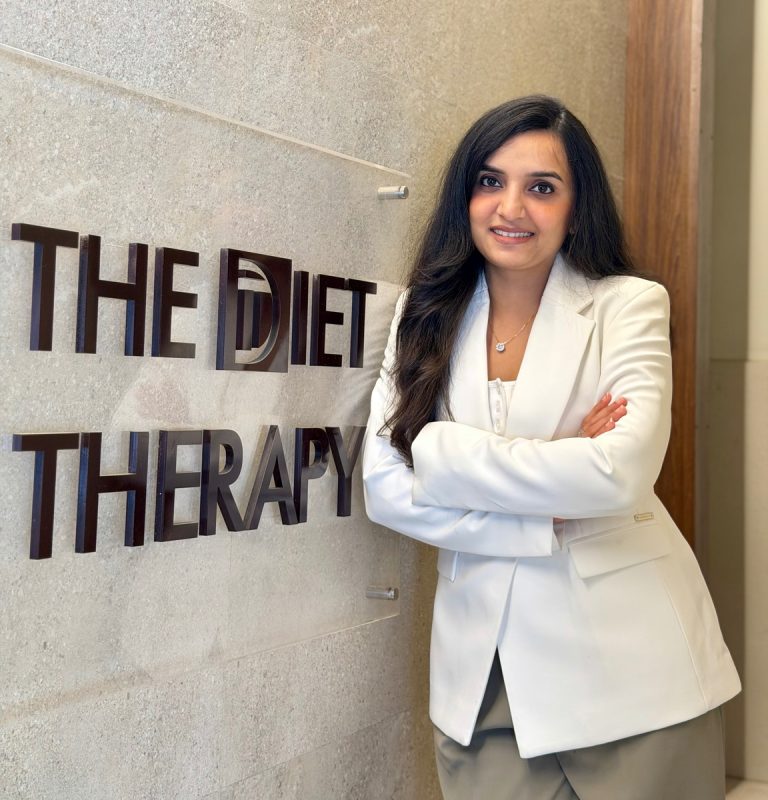
Under the guidance of Dt. Shweta Shah Panchal, clinical dietitian and founder of The Diet Therapy, every weight loss plan is built around your metabolism, your health history, your lifestyle, and your goals. No generic charts. No one-size-fits-all approaches. Just a structured, evidence-based plan that gets results — and keeps them. If you are looking for the best dietician for weight loss who understands Indian food habits and metabolic health deeply, our program is designed for exactly that.
Many clients who come to us after searching for the best nutritionist for weight loss are frustrated by temporary results from restrictive diets and unsustainable programs.
Sustainable weight loss is not about eating less — it's about eating right. At The Diet Therapy, we help you build a healthier relationship with food for life.
Why You Are Not Losing Weight — And What Is Actually Going On
This is the question most weight loss programs never answer. And it is the most important one.
Most people who struggle with weight loss are not lacking willpower. They are lacking the right diagnosis of what is driving their weight gain in the first place. A qualified nutritionist for weight loss can help identify these underlying factors, which is why working with the best dietician for weight loss often leads to more sustainable and long-term results.
The most common hidden drivers of weight gain in India are:
-
Insulin Resistance
When your cells stop responding to insulin efficiently, your body stores more glucose as fat — particularly around the belly. No amount of calorie restriction fixes insulin resistance. The right food choices do.
-
Thyroid Dysfunction
Hypothyroidism slows your metabolism significantly. Even mild subclinical hypothyroid can make weight loss feel impossible despite doing everything right. A thyroid-specific weight loss diet addresses the metabolic slowdown directly.
-
Cortisol and Chronic Stress
Elevated cortisol — from work pressure, poor sleep, or chronic dieting — directly signals your body to store fat, particularly visceral fat around the abdomen. Stress is one of the most underestimated drivers of weight gain in India.
-
Hormonal Imbalance
Estrogen dominance, PCOS-related androgen excess, and progesterone deficiency all contribute to fat storage, water retention, and difficulty losing weight — especially for women in their 30s and 40s.
-
Poor Gut Health
An imbalanced gut microbiome directly affects how your body metabolises food, regulates hunger hormones, and manages inflammation. Poor gut health makes weight loss significantly harder — and is almost never addressed in conventional diet programs.
-
Nutrient Deficiencies
Deficiencies in Vitamin D, magnesium, iron, and B12 directly impair metabolic function, energy production, and the body's ability to burn fat efficiently. Restricting food without correcting these deficiencies makes weight loss slower, harder, and less sustainable.
At The Diet Therapy, we identify which of these factors are driving your specific weight gain — and build a plan that addresses the root cause, not just the calorie count. This whole-body approach is why many clients consider us among the best diet programs for weight loss in Mumbai and across India.
What Healthy Weight Loss Actually Looks Like
Healthy weight loss is not dramatic. It is not 10 kilograms in 30 days. It is not eliminating entire food groups or surviving on salads and soup.
Healthy, sustainable fat loss looks like:
- Losing 0.5 to 1 kilogram per week consistently — without losing muscle
- Feeling energetic and nourished throughout the process — not depleted
- Eating Indian food — dal, roti, rice, sabzi, curd — in the right portions and combinations
- Maintaining the results long after the program ends
- Improving blood sugar, cholesterol, energy, and digestion alongside the weight loss
This is what we deliver at The Diet Therapy. And it is why our clients keep their results — unlike crash diet outcomes that reverse within months. Our focus on healthy weight loss ensures that fat reduction happens without compromising muscle mass, hormonal balance, or long-term metabolic health.
Healthy weight loss should improve your relationship with food, energy, digestion, and overall confidence — not leave you feeling restricted or exhausted.
Conditions We Support Through Weight Loss Nutrition
Weight gain rarely exists in isolation. At The Diet Therapy, our healthy weight loss program addresses fat loss in the context of the whole body — including any underlying conditions that may be driving or complicating your weight. Clients often work with us as their long-term fat loss nutritionist because our approach goes beyond calorie counting and focuses on metabolic recovery.
As a dedicated fat loss nutritionist, Dt. Shweta Shah Panchal focuses on sustainable body composition improvement rather than short-term scale changes alone.
Weight Loss with Thyroid Imbalance
Thyroid patients are often told weight loss is simply harder for them. That is partially true — but it is not the full picture. A thyroid-specific weight loss diet plan focuses on supporting T4 to T3 conversion, correcting selenium and iodine status, reducing inflammatory foods that suppress thyroid function, and building a calorie structure that accounts for a slower metabolic rate. With the right plan, thyroid patients lose weight consistently and sustainably.
Weight Loss with Insulin Resistance and Pre-Diabetes
Insulin resistance is the most common and most underdiagnosed driver of belly fat and stubborn weight in India. A low-glycemic, high-fibre, protein-forward diet plan — built around Indian foods — directly improves insulin sensitivity and shifts the body from fat storage to fat burning. No medication required for most cases. Just the right food, timed correctly.
Clients searching for the best diet programs for weight loss often struggle with insulin resistance without even realising it is the primary barrier to fat loss.
Weight Loss After 30 — Hormonal and Metabolic Changes
After 30, estrogen begins to fluctuate, muscle mass starts to decline, and metabolism slows. What worked for weight loss in your 20s stops working. A weight loss diet plan for women after 30 needs to account for these hormonal and metabolic shifts — with higher protein, hormone-supporting nutrients, and a calorie structure that protects muscle while burning fat.
Many women specifically seek a nutritionist for weight loss after 30 because hormonal fluctuations and metabolic slowdown require a more personalised strategy.
Weight Loss with Fatty Liver
Non-alcoholic fatty liver disease is now one of the most common conditions in India — and one of the most significant barriers to weight loss. The liver is the primary fat-burning organ. When it is overloaded — fat loss stalls regardless of diet and exercise. A fatty liver weight loss diet focuses on liver-healing nutrition that restores metabolic function and unlocks fat burning.
Weight Loss After Pregnancy — Postpartum Fat Loss
Postpartum weight loss requires a completely different approach to standard fat loss. The body is recovering, hormones are resetting, and if breastfeeding — nutritional demands are significantly higher. Our postpartum weight loss plans are designed to support recovery, hormone balance, and gradual, safe fat loss — without compromising milk supply or maternal health.
Weight Loss with Menopause
Menopausal weight gain — particularly around the abdomen — is driven by declining estrogen and rising cortisol. Standard calorie restriction is almost completely ineffective for menopausal weight gain. A menopause-specific weight loss plan addresses estrogen metabolism, cortisol regulation, muscle preservation, and insulin sensitivity — together.
How the Healthy Weight Loss Program Works
-

Step 1 — Comprehensive Assessment
We begin with a detailed review of your health history, current investigations, medications, previous diet attempts, lifestyle, activity levels, stress, and sleep. This gives us a complete picture of why your body is holding on to weight — and what it needs to let it go. This detailed process is one reason clients searching for the best nutritionist for weight loss choose The Diet Therapy.
-
Step 2 — Personalised Fat Loss Nutrition Plan
Your plan is built specifically for your body — your metabolism, your food preferences, your schedule, and your health conditions. Every meal, every food choice, and every timing decision is chosen deliberately — and explained to you so you understand what you are doing and why. Our approach as a dietician to lose weight focuses on creating practical, sustainable changes that fit naturally into your lifestyle.
-
Step 3 — Indian Food First
Every plan at The Diet Therapy is built around Indian food. Dal, sabzi, roti, rice, curd, ghee, seasonal vegetables, Indian spices — these are not obstacles to weight loss. Used correctly, they are the foundation of it. We do not ask you to eat quinoa or drink green smoothies. We build your plan around the food your kitchen already has.
-
Step 4 — Ongoing Monitoring and Adjustment
Weight loss is not linear. Plateaus happen. Life happens. Your plan is monitored and adjusted regularly — based on your progress, your feedback, and changes in your body. This ongoing support is one of the reasons personalised programs are often considered among the best diet programs for weight loss, because they adapt to your body instead of forcing rigid rules that are difficult to sustain.
-
Step 5 — Habit and Lifestyle Integration
Food is only part of the equation. Sleep quality, stress levels, movement patterns, and hydration all directly impact fat loss. Our program includes practical, realistic guidance on these factors — so your nutrition plan is supported by the habits around it.





The Diet Techniques That Drive Real Results
Every weight loss plan at The Diet Therapy is built using proven, evidence-based nutrition strategies — adapted for Indian food culture and real Indian lifestyles. This evidence-based approach is why many clients rank us among the best diet programs for weight loss available today.
Our approach combines clinical nutrition science with practical Indian eating habits to support healthy weight loss without unrealistic restrictions.
High-Protein Balanced Plate
Adequate protein at every meal preserves muscle during fat loss, increases satiety, and keeps metabolism elevated. Most Indians are significantly under-eating protein — and this single correction drives significant fat loss results.
Low-Glycemic Carbohydrate Choices
Choosing slow-digesting carbohydrates — hand-pounded rice, jowar, bajra, ragi, whole dals — stabilises blood sugar, reduces insulin spikes, and keeps hunger controlled for longer.
Anti-Inflammatory Whole Food Focus
Chronic inflammation directly impairs fat burning. A whole-food, anti-inflammatory diet — rich in colourful vegetables, healthy fats, fermented foods, and Indian spices — reduces the inflammatory burden that blocks fat loss.
Strategic Meal Timing
When you eat matters almost as much as what you eat — particularly for insulin regulation, cortisol management, and overnight metabolic recovery. Our plans include specific meal timing strategies based on your lifestyle and metabolic profile.
Gut-Healing Nutrition
A healthy gut microbiome directly regulates hunger hormones — ghrelin and leptin — and determines how efficiently your body metabolises food. Gut-healing foods are integrated into every weight loss plan at The Diet Therapy.
Calorie Awareness Without Restriction
We do not ask you to count every calorie obsessively. We teach you to understand portion sizes, food combinations, and eating patterns that naturally keep your intake aligned with your fat loss goals — without the mental burden of constant restriction.
Key Nutrients for Sustainable Fat Loss
Working with the best dietitian for weight loss ensures your body receives all the nutrients it needs to burn fat efficiently — without compromising energy, muscle, or metabolic health.
Protein — Preserves lean muscle during fat loss, increases satiety, and supports metabolic rate. Sources include dal, paneer, eggs, chicken, fish, curd, and legumes.
Fibre — Feeds good gut bacteria, slows glucose absorption, reduces hunger, and supports digestive health. Sources include vegetables, whole grains, fruits, and legumes.
Healthy Fats — Support hormone production, reduce inflammation, and improve satiety. Sources include desi ghee, coconut oil, nuts, seeds, and avocado.
Complex Carbohydrates — Provide steady energy without blood sugar spikes. Sources include hand-pounded rice, jowar, bajra, ragi, oats, and sweet potato.
Micronutrients — Vitamin D, magnesium, iron, zinc, and B12 are critical for metabolic function and fat burning. Deficiencies in any of these significantly impair weight loss outcomes.
Why Work With a Clinical Dietitian for Weight Loss
The difference between losing weight and losing it sustainably — and keeping it off — almost always comes down to professional guidance.
A clinical dietitian for weight loss does not just give you a diet chart. They identify the specific barriers to your fat loss, build a plan that addresses your body’s actual needs, monitor your progress, and adjust your plan as your body changes.
At The Diet Therapy, this clinical depth is combined with genuine personalisation. We understand Indian food culture, Indian kitchens, Indian lifestyle challenges — from festival eating to family pressure to erratic work schedules. Your plan is built for your real life.
Clients searching for the best dietician in Mumbai for weight loss often choose us because our plans focus on sustainable habit change, healthy weight loss, and long-term metabolic health rather than temporary dieting.
Clients looking for the best dietician in Mumbai for weight loss often need more than calorie advice — they need metabolic insight, accountability, and a sustainable nutrition structure.
This is why clients who work with The Diet Therapy not only lose weight — they maintain it. Because the plan is built to last.
What Our Clients Say
"I had been trying to lose weight for 4 years. In 3 months with The Diet Therapy I lost 11 kilograms — eating dal, roti, and rice every day. I couldn't believe it was possible."
"My thyroid made weight loss feel impossible. Dt. Shweta built a plan specifically around my thyroid levels and I lost 8 kilograms in 10 weeks. My energy completely changed."
changed." "I lost 16 kilograms in 3 months. As a doctor I was skeptical — but the plan was so well designed and the team so supportive that the results spoke for themselves."
"After my second pregnancy I couldn't shift the weight at all. The postpartum plan they built for me was completely tailored and I lost 9 kilograms while still breastfeeding."
Several of our clients initially came to us after searching online for the best nutritionist for weight loss and struggling with generic diet plans that failed to address root causes.
Frequently Asked Questions
1. Why am I not losing weight despite dieting and exercising?
This is the most common question we receive — and the most important one. The most frequent hidden causes are insulin resistance, thyroid dysfunction, elevated cortisol, hormonal imbalance, poor gut health, and nutrient deficiencies. A clinical assessment by a nutritionist for weight loss identifies which factors are driving your specific weight gain — so the plan addresses the real problem, not just the symptoms.
2. What is the best diet plan for weight loss in India?
The best weight loss diet for Indians is one built around Indian food — dal, sabzi, roti, rice, curd, and seasonal vegetables — structured around adequate protein, low-glycemic carbohydrates, healthy fats, and consistent meal timing. Generic Western diet plans do not account for Indian food culture, cooking methods, or lifestyle. At The Diet Therapy, we are known for creating some of the best diet programs for weight loss tailored to Indian kitchens and Indian lifestyles.
3. How much weight can I lose per week safely?
Safe, sustainable fat loss is 0.5 to 1 kilogram per week. Faster loss almost always involves muscle loss, nutrient deficiency, and metabolic adaptation — which leads to weight regain. We build plans that deliver consistent, sustainable results — not dramatic short-term numbers that reverse, which is why many clients look for the best dietician for weight loss instead of quick-fix diets.
4. Can I lose weight eating Indian food?
Absolutely. Indian food is one of the most weight-loss-friendly cuisines in the world — when eaten correctly. Dal is high in protein and fibre. Ghee supports metabolism. Turmeric and spices reduce inflammation. Fermented foods like curd and idli support gut health. The issue is rarely the food — it is the portions, combinations, and timing. A skilled dietician to lose weight can help structure Indian meals correctly for fat loss.
5. How long does it take to see weight loss results?
Most clients notice meaningful changes within 3 to 4 weeks of consistent nutritional intervention. Significant fat loss — 5 to 10 kilograms — typically occurs over 8 to 16 weeks depending on starting point, health conditions, and consistency, especially when working with a qualified dietician to lose weight sustainably.
6. Do I need to exercise to lose weight with your program?
Movement supports fat loss and overall health — but exercise alone without the right nutrition rarely produces significant weight loss results. Our program is designed to deliver fat loss primarily through nutrition, with movement recommendations that complement your plan and lifestyle, guided by a fat loss nutritionist and the best nutritionist for weight loss support.
7. Can I lose weight if I have thyroid or PCOS?
Yes — but the approach needs to be condition-specific. Generic weight loss advice often fails thyroid and PCOS patients because it does not address the hormonal and metabolic factors driving their weight gain. At The Diet Therapy, we build weight loss plans specifically designed for thyroid, PCOS, insulin resistance, and other conditions — with consistent results and healthy weight loss outcomes.
8. Do you offer online weight loss consultations?
Yes. We work with clients across Mumbai, India, and internationally. Our online programs offer the same personalised clinical support and monitoring as in-person consultations, making The Diet Therapy a trusted choice for those searching for the best dietician in Mumbai for weight loss.
9. What makes The Diet Therapy different from other weight loss programs in Mumbai?
We identify why you are not losing weight before we tell you how to. We build plans around Indian food and real Indian lifestyles. We account for underlying conditions that most programs ignore. And we provide ongoing clinical monitoring and adjustment so your plan evolves with your body. This personalised approach is why many clients consider us among the best dietician for weight loss services and a trusted choice for fat loss nutrition in Mumbai. Our results speak for themselves — and our clients keep them.
10. How do I get started with a weight loss program at The Diet Therapy?
Book your initial consultation through our website. In your first session, we conduct a comprehensive assessment of your health history, lifestyle, investigations, and goals — and begin building your personalised fat loss nutrition plan from day one. Whether you are looking for a dietician to lose weight or the best nutritionist for weight loss, our process is designed to create long-term success.
Start Your Weight Loss Journey Today
The difference between losing weight and losing it sustainably — and keeping it off — almost always comes down to professional guidance.
A clinical dietitian for weight loss does not just give you a diet chart. They identify the specific barriers to your fat loss, build a plan that addresses your body’s actual needs, monitor your progress, and adjust your plan as your body changes.
At The Diet Therapy, this clinical depth is combined with genuine personalisation. We understand Indian food culture, Indian kitchens, Indian lifestyle challenges — from festival eating to family pressure to erratic work schedules. Your plan is built for your real life.
Clients searching for the best dietician in Mumbai for weight loss often choose us because our plans focus on sustainable habit change, healthy weight loss, and long-term metabolic health rather than temporary dieting.
Clients looking for the best dietician in Mumbai for weight loss often need more than calorie advice — they need metabolic insight, accountability, and a sustainable nutrition structure.
This is why clients who work with The Diet Therapy not only lose weight — they maintain it. Because the plan is built to last.