
PCOS / PCOD Management
Take Control of Your Health. Manage Your PCOS Holistically.
Polycystic Ovary Syndrome (PCOS) or Polycystic Ovarian Disease (PCOD) is a common hormonal disorder affecting women, typically during their reproductive years. It is characterized by elevated androgens (male hormones), irregular menstrual cycles, and the presence of small cysts on the ovaries.
PCOS/PCOD is influenced by genetics, hormonal imbalances, and lifestyle factors. Insulin resistance plays a major role, as high insulin levels can trigger excess androgen production, disrupting ovulation.
Lifestyle plays a key role in managing PCOS. Poor diet, lack of exercise, stress, and sleep disruption can worsen symptoms.
If left unmanaged, PCOS/PCOD can increase the risk of type 2 diabetes, heart disease, high blood pressure, infertility, and mental health concerns like anxiety and depression.
A personalized, nutrition-focused approach is essential for effective management and long-term health.
How Does Nutrition Support PCOS / PCOD Management?
Managing PCOS / PCOD involves understanding how nutrition, hormones, and lifestyle habits affect your overall health. PCOS can influence insulin sensitivity, menstrual cycles, weight, and metabolic health. Choosing balanced meals and developing healthy eating habits can help support these concerns alongside appropriate medical care.
A personalised PCOS / PCOD diet plan focuses on practical food choices, nutritional balance, and sustainable lifestyle changes based on your individual needs.
- Balanced Food Choices: Include a variety of vegetables, fruits, whole grains, pulses, and other nutrient-rich foods to support everyday nutritional needs.
- Insulin Resistance Management: Choose fibre-rich carbohydrates, suitable portions, and balanced food combinations to support blood sugar regulation and metabolic health.
- Nutrition for Hormonal Balance: Include adequate protein, healthy fats, fibre, and essential nutrients to support overall hormonal and metabolic health.
- PCOS Weight Management: Plan balanced meals according to your health goals. Weight management advice should consider your individual needs, as not everyone with PCOS needs to lose weight.
- Protein & Fibre Intake: Include foods such as dal, beans, dairy products, eggs, vegetables, and whole grains to support fullness, nutritional adequacy, and healthy eating habits.
- Personalised Dietary Guidance: Adjust your food choices according to your PCOS symptoms, nutritional requirements, lifestyle, and available medical reports.
A PCOS-friendly diet does not require extreme food restrictions or completely avoiding carbohydrates. The focus is on balanced nutrition, regular physical activity, adequate sleep, and consistent habits that support long-term health.
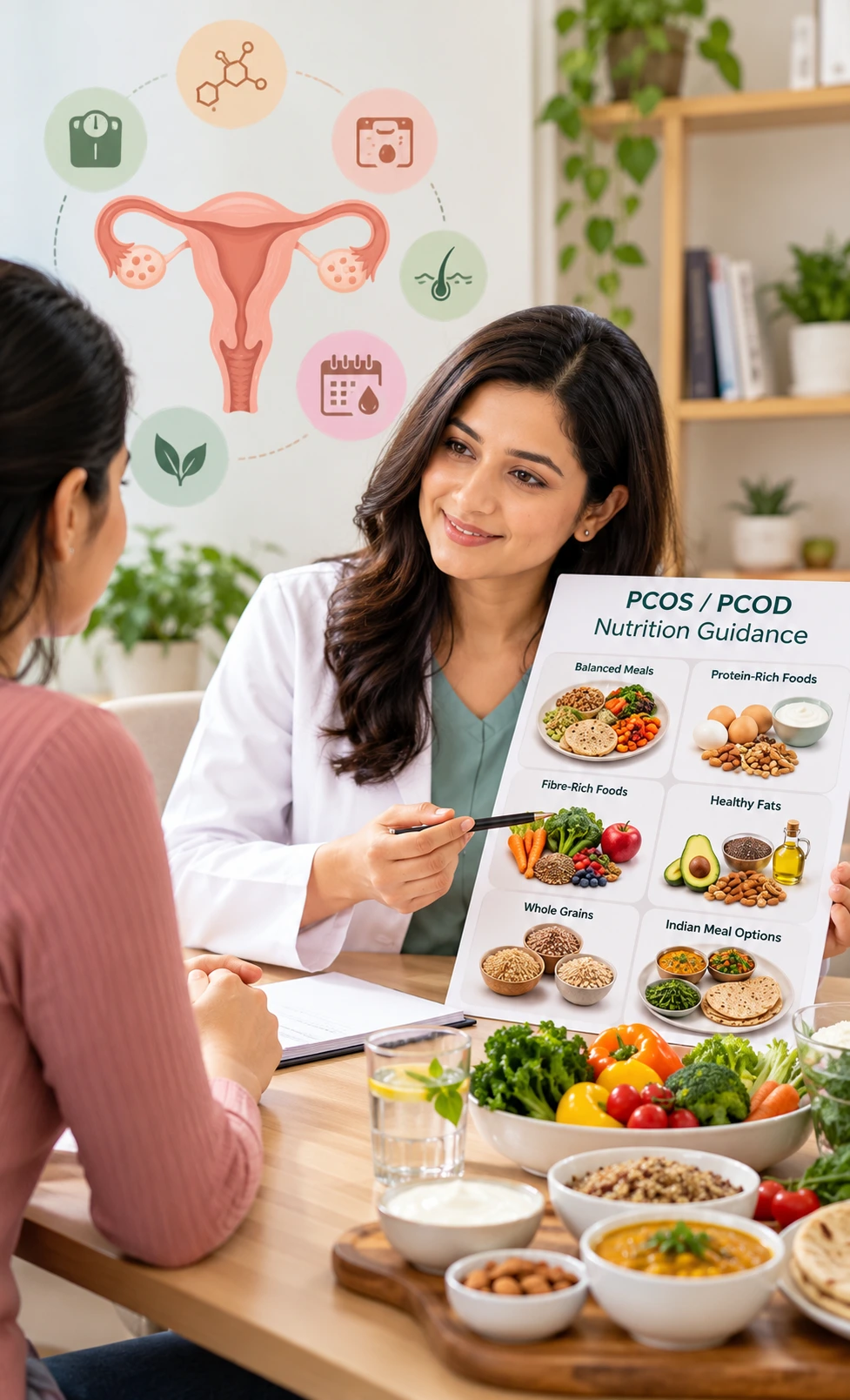
The Diet Therapy by Dt. Shweta Shah Panchal offers personalised nutrition counselling for PCOS / PCOD Management in Mumbai. Our approach helps you understand your nutritional needs, make informed food choices, and follow a practical diet plan that complements your healthcare professional’s recommendations.
Explore Our Other Nutrition & Diet Counselling Services
Every individual has different nutritional needs depending on their health conditions, lifestyle, and personal goals. The Diet Therapy by Dt. Shweta Shah Panchal offers personalised nutrition counselling for PCOS / PCOD management in Mumbai, along with dietary guidance for various health conditions. Our approach focuses on balanced Indian meals, practical food choices, and sustainable lifestyle habits. We consider your medical history, food preferences, and daily routine to provide suitable nutrition recommendations. Explore our other nutrition services to understand how personalised dietary guidance can support your overall health and long-term well-being.
Heart Health & Blood Pressure
A heart-healthy diet plays an important role in supporting cardiovascular health and managing high blood pressure. Our nutrition guidance focuses on balanced meals, appropriate sodium intake, healthy fats, and suitable food choices based on your individual needs. We also help you understand how everyday eating habits, portion sizes, and practical lifestyle changes can support better heart health alongside prescribed medical care.
Thyroid Nutrition Support
A heart-healthy diet plays an important role in supporting cardiovascular health and managing high blood pressure. Our nutrition guidance focuses on balanced meals, appropriate sodium intake, healthy fats, and suitable food choices based on your individual needs. We also help you understand how everyday eating habits, portion sizes, and practical lifestyle changes can support better heart health alongside prescribed medical care.
Kidney Care & Renal Nutrition
People with kidney-related conditions may require specific dietary adjustments depending on kidney function, medical reports, and treatment recommendations. Our kidney nutrition guidance focuses on suitable food choices, appropriate portions, and individual nutrient requirements. We help you understand how dietary factors such as sodium, protein, potassium, and phosphorus may need attention based on your condition, while keeping everyday meals practical and nutritionally appropriate.
Diabetes and Blood Sugar Management
Managing diabetes involves more than simply avoiding sugar. Balanced meals, suitable carbohydrate portions, regular eating habits, and physical activity can all contribute to blood sugar management. Our personalised diabetes nutrition guidance helps you understand food combinations, meal timing, and healthier everyday choices. We focus on practical Indian meal planning that supports your nutritional needs while complementing your prescribed diabetes treatment.
Weight Loss & Weight Gain Support
Healthy weight management begins with understanding your body’s nutritional needs, lifestyle, and personal health goals. Whether you want to lose weight or gain weight, our personalised nutrition plans focus on balanced Indian meals, appropriate portions, and sustainable eating habits. We consider your food preferences, daily activities, and health concerns to help you make practical dietary changes without unnecessary restrictions or extreme diet plans.
Pregnancy and Postpartum Nutrition
Nutritional needs change during pregnancy and after childbirth, making balanced eating particularly important during these stages. Our pregnancy and postpartum nutrition guidance focuses on essential nutrients, suitable meal planning, and individual dietary requirements. We consider factors such as pregnancy stage, recovery, breastfeeding, and food preferences to help mothers maintain balanced nutrition while following their healthcare professional’s advice.
Gut and Digestive Health
Digestive concerns such as bloating, constipation, acidity, and irregular bowel movements can affect everyday comfort and eating habits. Our gut health nutrition guidance focuses on suitable food choices, balanced fibre intake, hydration, and practical meal planning. We help you identify dietary habits that may influence digestive comfort and develop a personalised eating approach based on your symptoms, nutritional needs, and medical advice.
Liver Health & Fatty Liver
Nutrition plays an important role in supporting liver health and managing fatty liver disease. Our personalised liver nutrition guidance focuses on balanced meals, appropriate portions, and healthier everyday food choices. We consider your liver condition, available medical reports, nutritional requirements, and lifestyle to suggest suitable dietary changes. Our aim is to support sustainable eating habits that complement medical treatment and overall liver health.
How Our PCOS / PCOD Management Program Works
-

Step 1 — Understanding Your PCOS / PCOD Health and Nutrition Needs
We begin by understanding your PCOS / PCOD concerns, menstrual health, eating habits, lifestyle, and health goals. Your medical history and available health reports help us identify your nutritional needs and provide suitable dietary guidance.
-

Step 2 — Creating Your Personalised PCOS / PCOD Diet Plan
Your PCOS / PCOD diet plan is developed according to your food preferences, daily routine, and nutritional requirements. We focus on balanced meals, appropriate portions, and practical food choices to support metabolic health, weight management where needed, and overall well-being.
-

Step 3 — Planning Balanced Indian Meals for Everyday Life
Healthy eating with PCOS doesn't have to be complicated. We help you include familiar Indian foods, protein-rich meals, fibre, healthy fats, and suitable carbohydrate choices. The aim is to make your diet easy to follow without unnecessary food restrictions.
-

Step 4 - Monitoring Your Nutrition and Progress
Regular follow-up consultations help us understand your progress, eating habits, and any challenges you may face. Based on your health goals, feedback, and available medical information, we make suitable adjustments to your nutrition plan.
-

Step 5 — Building Sustainable Habits for Long-Term PCOS Management
Managing PCOS / PCOD involves consistent lifestyle habits rather than short-term diets. We focus on balanced nutrition, regular physical activity, and practical food choices that fit your routine. Our goal is to support long-term health alongside appropriate medical care.
Key Nutritional Strategies for PCOS / PCOD Management
PCOS / PCOD Diet Plan
A personalised PCOS / PCOD diet plan focuses on balanced meals, suitable portions, and everyday food choices. Our nutrition guidance considers your health needs, eating habits, and lifestyle to support sustainable dietary changes.
Nutrition Support for Liver Cirrhosis
Learn how balanced nutrition can support hormonal and metabolic health in PCOS. Include protein-rich foods, fibre, healthy fats, and essential nutrients as part of a practical eating plan.
PCOS Diet Plan for Weight Management
Follow a practical PCOS weight management plan based on your individual needs. We focus on balanced Indian meals, portion guidance, and sustainable eating habits without unnecessary restrictions.
Insulin Resistance & PCOS Nutrition
Insulin resistance is common in PCOS. Choosing fibre-rich carbohydrates, including adequate protein, and planning balanced meals can help support blood sugar regulation and metabolic health.
PCOS Diet for Irregular Periods
Explore personalised nutrition guidance that supports overall health when managing PCOS-related menstrual concerns. Dietary changes complement appropriate medical evaluation and treatment.
PCOS / PCOD Healthy Lifestyle Support
Build healthier daily habits through regular meal timings, balanced nutrition, physical activity, and practical food choices that suit your lifestyle and long-term health goals.
What Our Clients Say


 Trustindex verifies that the original source of the review is Google.
 Trustindex verifies that the original source of the review is Google.
 Trustindex verifies that the original source of the review is Google.
 Trustindex verifies that the original source of the review is Google.
 Trustindex verifies that the original source of the review is Google.
 Trustindex verifies that the original source of the review is Google.
 Trustindex verifies that the original source of the review is Google.
 Trustindex verifies that the original source of the review is Google.
 Trustindex verifies that the original source of the review is Google.
Why Choose The Diet Therapy for PCOS / PCOD Management in Mumbai
- Personalised PCOS / PCOD Nutrition Guidance – Every woman’s health needs are different. We consider your hormonal concerns, menstrual health, dietary habits, lifestyle, and nutritional requirements to develop a practical diet plan suited to your individual needs.
- Balanced Indian Meal Planning – Managing PCOS doesn’t mean giving up your favourite foods. Our approach focuses on balanced Indian meals, suitable portions, and everyday food choices that fit your lifestyle without unnecessary dietary restrictions.
- Nutrition for Hormonal Balance – PCOS can affect hormonal and metabolic health. We focus on balanced nutrition, protein-rich foods, fibre, and healthy fats to support overall health and metabolic well-being alongside appropriate medical care.
- PCOS Weight Management Support – Weight management needs can vary among women with PCOS. Our personalised diet plans focus on balanced meals, suitable portions, and sustainable eating habits rather than restrictive diets or quick weight-loss methods.
- Professional PCOS Dietitians in Mumbai – Dt. Shweta Shah Panchal provides personalised nutrition counselling for women managing PCOS / PCOD. Our approach combines practical dietary guidance, lifestyle support, and long-term healthy eating habits.
- Online & offline PCOS Consultations – The Diet Therapy offers nutrition counselling through its clinic in Malad, Mumbai, and online consultations. Our team helps you understand your dietary requirements and make suitable food choices for everyday life.
Frequently Asked Questions
1. Can PCOS be reversed with diet alone?
Diet helps manage and improve symptoms, but results depend on consistency, lifestyle, and hormonal status.
2. How long does a personalized diet plan take to show results?
Most people notice changes in energy and digestion within a few weeks. Hormonal changes take longer.
3. Is a detox diet useful for PCOS?
A detox diet in Mumbai may show short-term weight loss, but it does not correct insulin resistance or hormonal imbalance.
4. Do I need a diabetes dietitian for PCOS?
Yes, because PCOS often overlaps with insulin resistance. A diabetes dietitian in Mumbai can help manage both conditions.
5. Where should I consult for PCOS treatment?
You can consult a top dietitian in Mumbai or visit The Diet Therapy Mumbai for integrated dietetic and nutrition care.
6. How can I balance my hormones through diet with PCOD?
A PCOD meal plan with low-GI foods such as oats, lean proteins like chicken, and healthy fats like avocado can help lower insulin levels and stabilize hormones. Avoid sugary and processed foods. Eating regularly and staying active also helps balance hormones.
7. What are low-GI foods, and why are they important for PCOD?
Low-GI foods, such as quinoa, berries, and lentils, release sugar slowly and help prevent insulin spikes. They're important in a PCOS-friendly diet plan because high insulin can worsen symptoms like weight gain and irregular periods. These foods help keep blood sugar steady.
8. What are some quick and easy PCOD-friendly meals for busy days?
Overnight oats with berries, moong dal chilla, boiled eggs with veggies, or Greek yogurt with nuts and flaxseeds quick, protein-rich options that help keep blood sugar stable.
9. What foods should I avoid with PCOS?
Avoid refined sugar, white bread, maida-based foods, sugary drinks, and deep-fried items, as these spike insulin levels. Limit processed and packaged foods, excess dairy, and red meat, which can worsen inflammation and hormonal imbalance in some women.
10. Can PCOS cause weight gain, and how can diet help with weight loss?
Yes, insulin resistance in PCOS makes weight gain easier and weight loss harder, especially around the abdomen. A structured PCOS diet plan with portion control, low-GI foods, adequate protein, and regular meal timings can support gradual, sustainable weight loss.
Start Your PCOS/PCOD Management Journey Today
The difference between treating PCOS symptoms for a while and correcting them for good and keeping symptoms in control almost always comes down to professional guidance.
A clinical dietitian for PCOS does not just give you a diet chart. They identify the specific hormonal and metabolic drivers behind your PCOS symptoms, build a PCOS diet plan that addresses your body’s actual insulin and hormonal needs, monitor your progress, and adjust your PCOD diet chart as your body responds whether that means correcting irregular periods, managing PCOS weight gain, or reducing PCOS-related hair fall.
At The Diet Therapy, this clinical depth is combined with genuine personalisation. We understand Indian food culture, Indian kitchens, Indian lifestyle challenges from festival eating to family pressure to erratic work schedules. Your PCOS/PCOD treatment plan is built for your real life.
Clients searching for the best PCOS dietitian in Mumbai often choose us because our plans focus on correcting insulin resistance, restoring hormonal balance with a low-GI PCOS-friendly diet, supporting healthy PCOS weight loss, and improving long-term reproductive and metabolic health rather than offering a generic weight-loss diet.
Clients looking for a PCOD dietitian near me often need more than a meal plan; they need hormonal insight, accountability, and a sustainable nutrition structure built around their cycle and symptoms, along with guidance on fertility-friendly nutrition where needed.
This is why clients who work with The Diet Therapy don’t just see short-term changes; they see lasting improvement in their periods, energy, skin, and overall hormonal health through consistent PCOS management. Because the plan is built to last.