You eat carefully. You skip dessert. You walk every evening. And yet the weight does not budge — or worse, it creeps up. If this sounds familiar, I want you to hear this: you are not doing it wrong. You are dealing with PCOS, and PCOS plays by completely different rules than a standard weight problem.
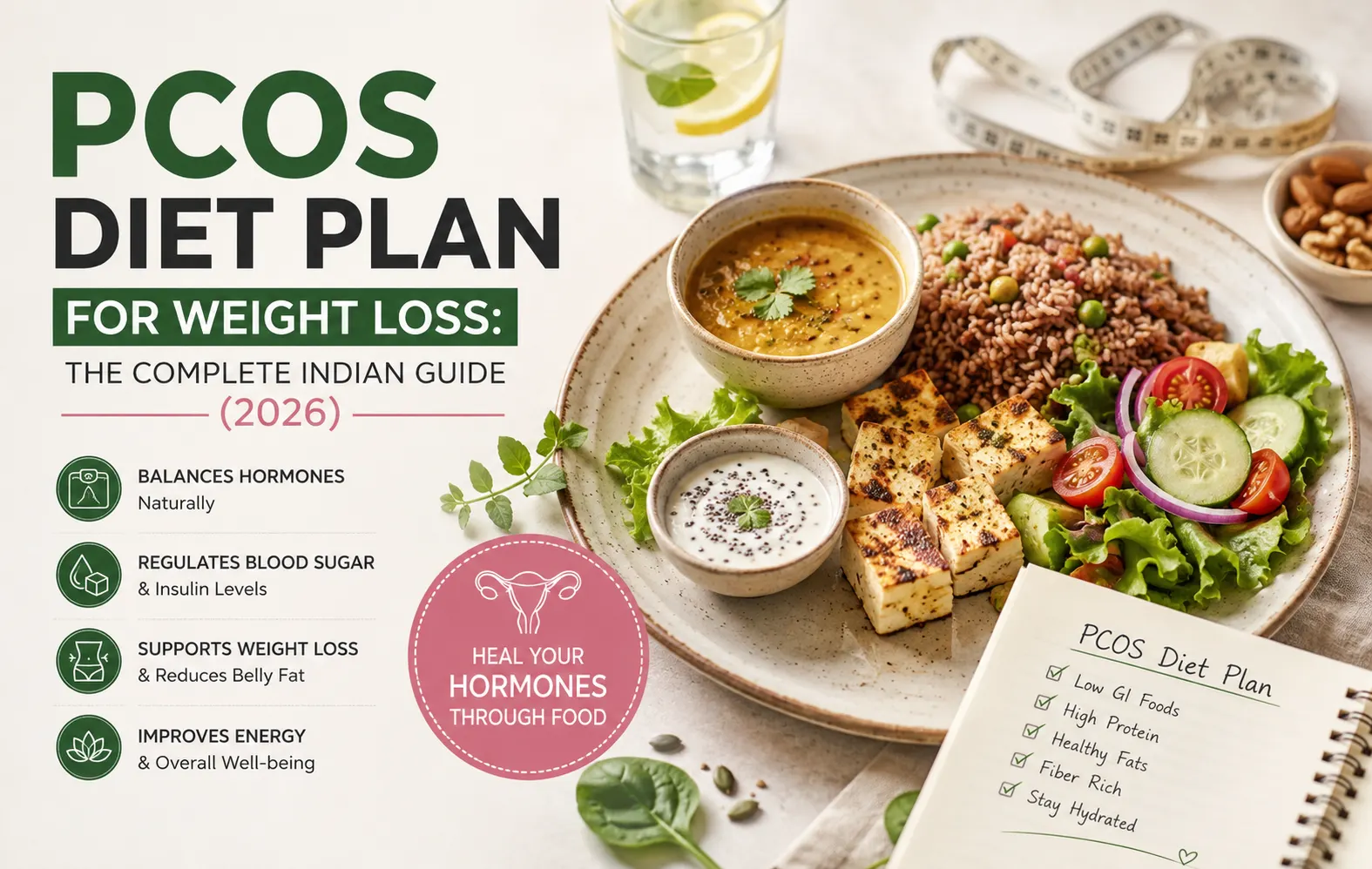
In over a decade of working with PCOS patients in Mumbai, almost every woman tells me some version of the same thing in her first consultation: “I am eating less than everyone around me and still gaining weight.” That frustration is real, valid, and has a clear biological explanation. This guide is my attempt to give you that explanation and a practical PCOS Diet Plan for Weight Loss, built around an Indian diet, that actually works with your body instead of against it.
PCOS and PCOD — A Quick Clarification
Many women use these terms interchangeably, but there is a difference worth knowing. PCOD is when the ovaries produce many immature eggs that form cysts it is milder and often manageable with lifestyle changes. PCOS is a broader hormonal and metabolic disorder that also disrupts insulin, androgens, and your overall metabolism. PCOS is the more complex condition and the one that makes weight loss harder. The diet advice in this guide applies to both.
Why PCOS Makes Weight Loss So Difficult
With PCOS, your body is often resistant to insulin. When your cells stop responding to insulin properly, your pancreas produces more of it to compensate. All that extra insulin does two things that work directly against you: it signals your body to store fat especially around the belly and it drives up androgen (male hormone) levels, which makes that belly fat even harder to shift.
Here is the part that catches most women off guard. When you eat less and push harder at the gym, your cortisol (stress hormone) goes up. Cortisol triggers more insulin. More insulin means more fat storage. You end up working harder and getting worse results — which is exactly what so many PCOS patients describe, often leading them to seek guidance from a Dietician for PCOS to better manage these hormonal challenges.
This is why a PCOS diet is not just a “healthy diet with fewer calories.” It needs to specifically break this hormonal cycle. The good news: research shows that losing even 5–10% of your body weight can significantly improve menstrual regularity, reduce androgen levels, and restore ovulation. You do not need to reach your “ideal weight” to see real clinical improvements.
4 Principles Every PCOS Diet Must Follow
- Stabilise blood sugar at every meal. Build meals around low-glycaemic-index foods that release glucose slowly. This keeps insulin from spiking repeatedly through the day.
- Eat enough protein. Protein keeps you full, reduces androgen-driven cravings, and preserves muscle while you lose fat. Most Indian women with PCOS are significantly under-eating protein.
- Reduce inflammation. PCOS is an inflammatory condition. Refined flour, packaged snacks, and seed oils worsen it. Anti-inflammatory foods like turmeric, flaxseeds, and leafy vegetables actively help.
- Support gut health. There is strong emerging evidence connecting gut health to hormonal balance. A healthy gut helps regulate oestrogen and reduces systemic inflammation. Fermented Indian foods are your biggest natural advantage here.
Best Foods for PCOS Weight Loss From Your Indian Kitchen
You do not need exotic superfoods. Your regular kitchen already has most of what works.
Millets: Ragi, jowar, and bajra have a far lower glycaemic index than wheat and are rich in fibre. A ragi roti or bajra khichdi is genuinely one of the best things a PCOS patient can eat regularly.
Dal and legumes: Moong dal, chana, rajma, and masoor are high in protein and fibre with a low glycaemic response. A bowl of dal at lunch is doing more for your insulin sensitivity than most supplements.
Eggs and paneer: Both are excellent protein anchors for your meals. Starting the day with an egg-based breakfast or paneer chilla significantly reduces mid-morning hunger and keeps insulin stable.
Anti-inflammatory spices: Methi seeds soaked overnight and consumed each morning have well-documented insulin-sensitising effects. Turmeric, cinnamon (dalchini), and ajwain are similarly useful not trendy additions, but functional foods with real clinical backing.
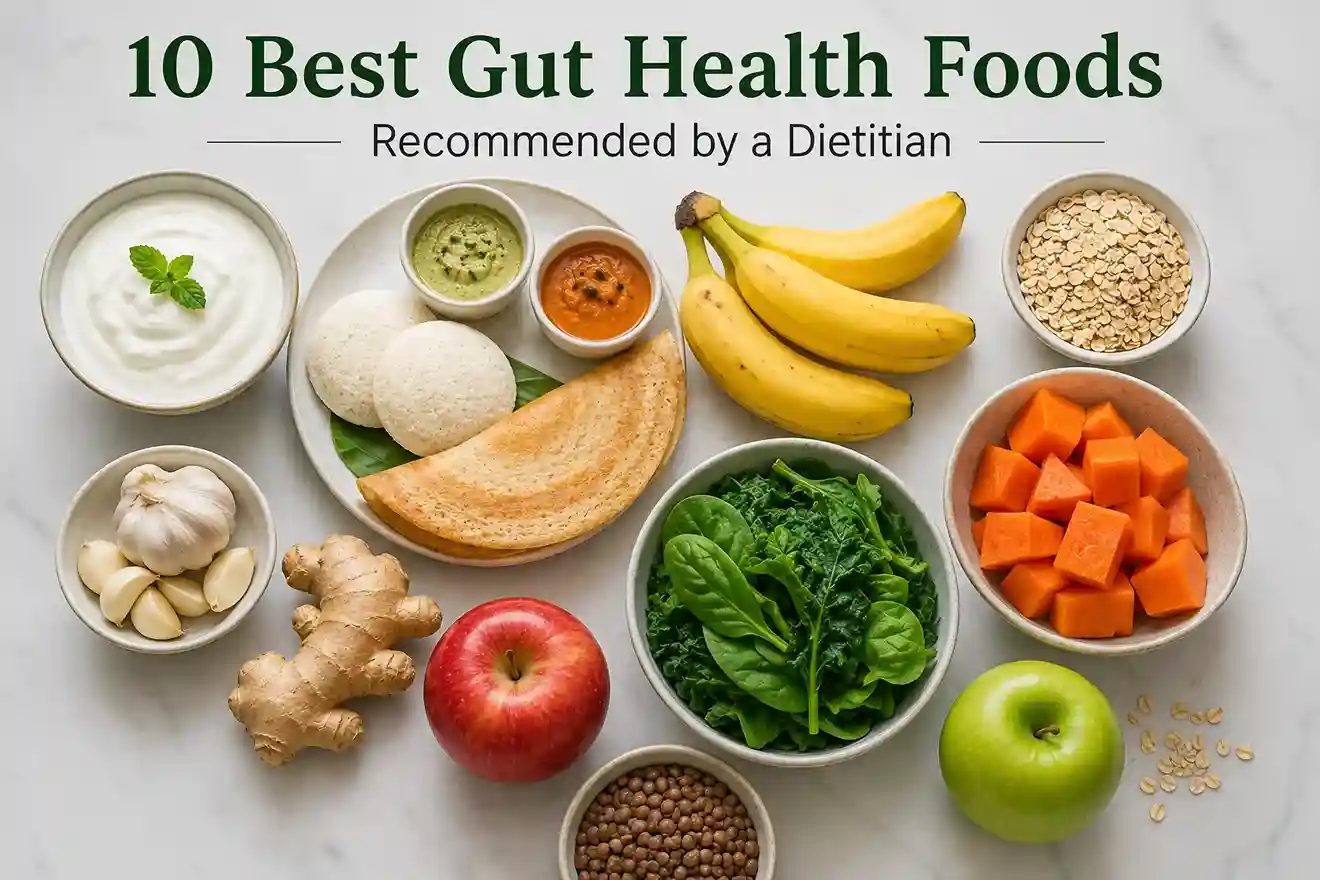
Fermented foods: Curd, chaas, idli, and dosa are natural probiotics that support gut health and hormonal balance. If you eat curd daily, that is a habit worth protecting.
Healthy fats: Ghee in small amounts is not the enemy. Flaxseeds, sesame (til), and walnuts provide omega-3 fatty acids that reduce inflammation and support hormone production.
Foods to Avoid with PCOS
Some foods actively worsen insulin resistance and inflammation.
- Maida in all forms — white bread, biscuits, naan, packaged noodles. These spike insulin fast and hard.
- Sugary drinks — sweetened chai, packaged juices, cold drinks, flavoured milk. One glass of packaged juice has as much sugar as three fruits with none of the fibre.
- Ultra-processed snacks — bhujia, chips, instant noodles. High in refined oil, salt, and simple carbs.
- Excess dairy — moderate amounts of curd and paneer are fine, but very large quantities of full-fat milk can elevate hormones linked to androgen production in some PCOS types.
7-Day Indian PCOS Diet Plan for Weight Loss
A practical starting template at approximately 1,400–1,600 kcal per day, built around a standard Indian kitchen. Adjust portions based on your height, weight, and activity level.
Time | What to Eat |
Early morning (6:30 AM) | Warm water + 1 tsp soaked methi seeds |
Breakfast (8:00–8:30 AM) | 2 moong dal chilla + green chutney + 1 boiled egg OR vegetable poha with peanuts + chaas |
Mid-morning (11:00 AM) | 1 small seasonal fruit (guava, apple, or papaya) + 6 soaked almonds |
Lunch (1:00–1:30 PM) | 1–2 bajra or ragi roti + dal + seasonal sabzi + small bowl curd + salad |
Evening snack (5:30 PM) | Roasted chana (25g) + unsweetened green tea or jeera water |
Dinner (7:30–8:00 PM) | Moong dal khichdi with a small spoon of ghee + vegetable raita OR 1 roti + palak paneer + thin dal soup |
A few non-negotiables: finish dinner by 8:30 PM, drink 8–10 glasses of water through the day, never skip meals (it spikes cortisol and makes insulin resistance worse), and eat fruit whole never as juice.
Lifestyle Habits That Make the Diet Work Faster
Strength training, not just cardio. Building muscle increases insulin sensitivity far more effectively than running or cycling. Even two light sessions of weight training per week alongside daily walks makes a measurable difference.
Sleep properly. Poor sleep raises cortisol and ghrelin both worsen insulin resistance. If your sleep is broken, your diet works against resistance it should not have to fight. Aim for 7–8 hours.
Take stress seriously. High cortisol directly raises androgen levels in PCOS. Even 10 minutes of pranayama or yoga daily has a documented effect on cortisol. This is not generic wellness advice it is clinically relevant for PCOS specifically.
How Long Does It Take to See Results?
From what I see in my clinic with PCOS patients:
2–3 weeks: Better energy, less bloating, reduced cravings, more stable moods.
4–6 weeks: 1.5–3 kg of actual fat loss, improved sleep, often some improvement in skin.
8–12 weeks: Noticeable body composition change and, for many women, improved menstrual regularity.
PCOS weight loss is slower than average that is biology, not failure. Be consistent and patient with your body.
“PCOS weight loss is not impossible. It just needs a different approach than the standard advice that leaves so many women frustrated.
The goal is not only a lower number on the scale it is stable insulin, reduced inflammation, balanced hormones, and regular periods. Healthy weight loss focuses on sustainable lifestyle changes, and the right Indian diet, built around millets, dal, fermented foods, and quality protein, gives your body what it actually needs to get there.
If you have been struggling for a while, or if you have a thyroid condition or diabetes alongside PCOS, a plan built around your own blood work and hormonal profile will get you to results significantly faster than any generic guide.”