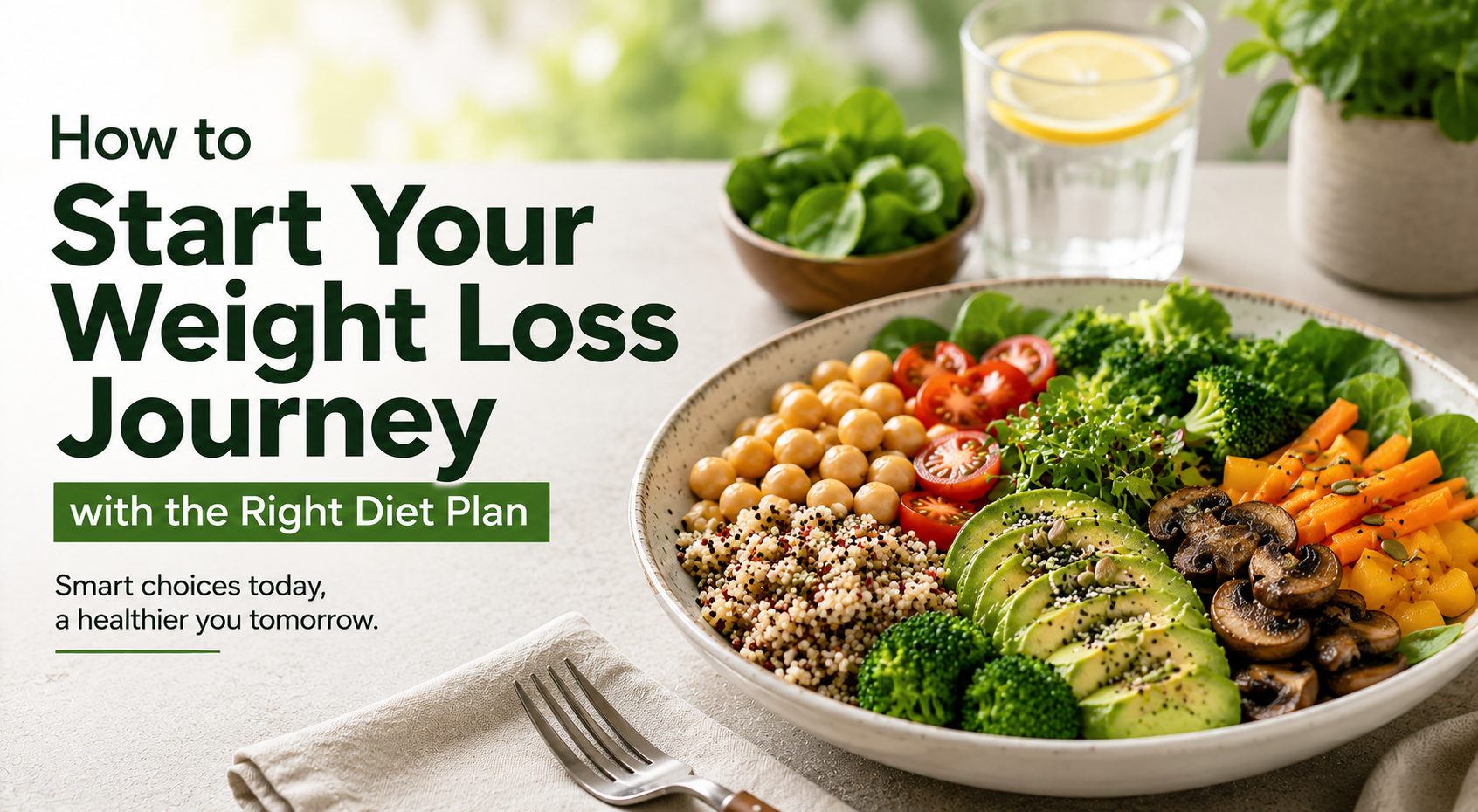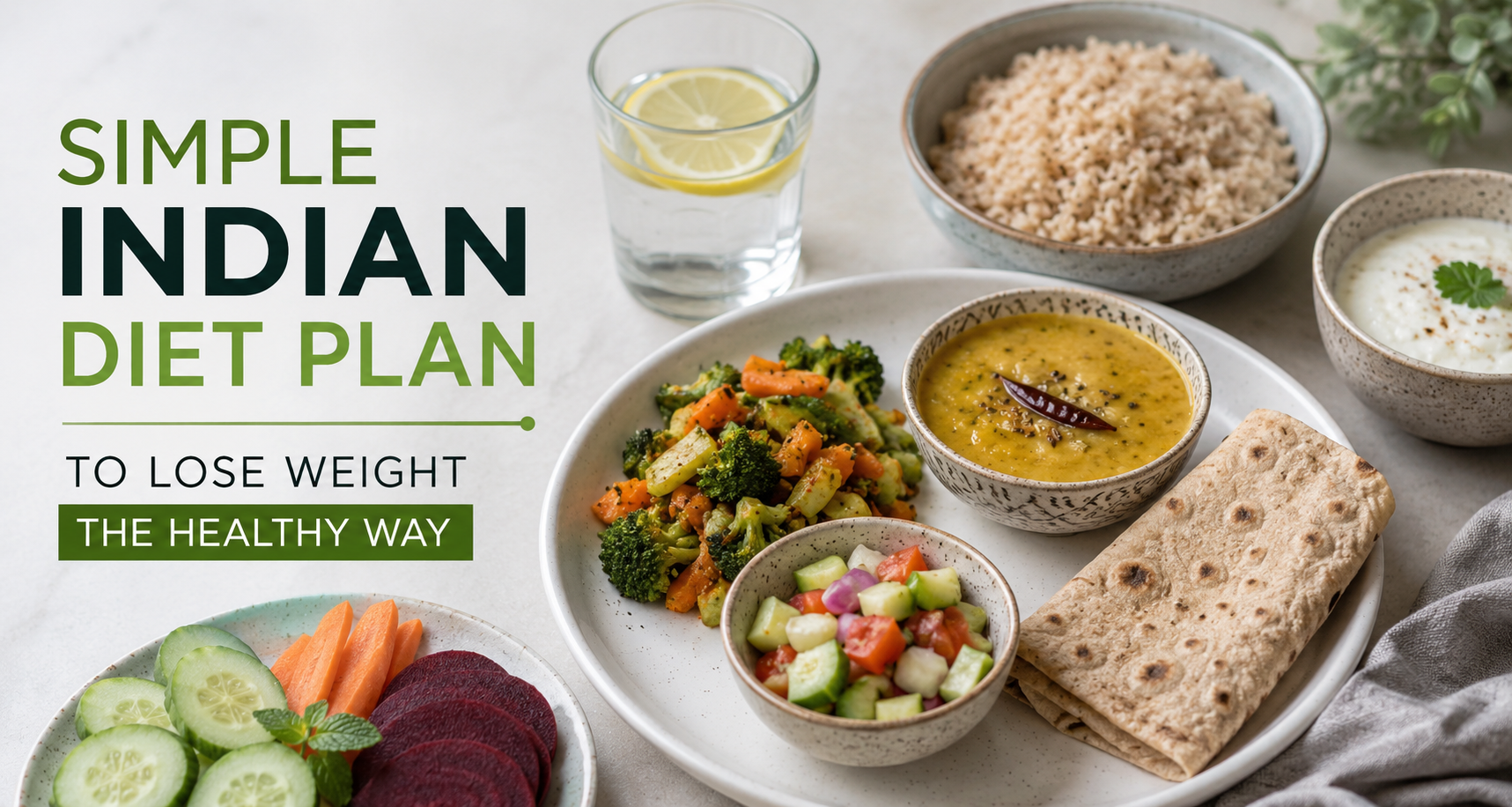
This guide explains how to approach healthy weight loss using a structured Indian diet plan designed for long-term results.
At The Diet Therapy, healthy weight loss is considered a scientific, structured process created by clinical nutrition experts. Instead of extreme measures and popular fad diets, the emphasis is on making healthy dietary changes to support your metabolism, hormone balance, and overall health.
Many people have tried to follow a weight loss diet plan with great enthusiasm, but soon find themselves confused by the numerous pieces of advice on the internet. The good news, however, is that the answer is much simpler than people think. In fact, healthy fat loss is not about stopping your favorite Indian food or making extreme lifestyle changes.
This guide aims to show how a healthy Indian diet plan for weight loss can be successful using scientific principles.
Healthy Weight Loss is All About Balance, Not Starvation
When it comes to healthy weight loss, it is important to remember that it involves reducing body fat while maintaining muscle mass, strength, and energy levels. Clinical research in nutrition has clearly demonstrated that rapid weight loss is associated with the loss of water and muscle, not fat. Therefore, calorie control is considered to be safe and effective.
To design a proper fat loss diet plan, the following factors need to be considered:
- Calorie deficit
- Protein intake
- Stable blood sugar levels
- Balanced macronutrient composition
- Sustainable eating habits
While practicing nutrition, it has been observed that calorie restriction causes reduced metabolism, which may result in weight gain. Sustainable changes are achieved by calorie control, not by extreme calorie restrictions.
Why Indian Meals Can Support Sustainable Fat Loss
The common notion is that Indian food does not allow for weight loss. However, Indian food can definitely support healthy weight loss if served in appropriate quantities. Indian food is already rich in:
Indian diets already include:
- Whole grains like roti and rice
- Protein-rich dals and legumes
- Seasonal vegetables
- Fermented foods like curd
- Digestive spices such as jeera and haldi
The challenge is not the cuisine itself. It is excessive oil use, refined carbohydrates, large portions, and irregular eating patterns.
A well-designed, balanced diet plan for weight loss adapts to familiar meals rather than eliminating them completely.
The Core Elements of a Balanced Diet Plan for Weight Loss
A diet chart for weight loss should always ensure nutritional balance. Cutting out entire food groups can cause nutritional deficiencies and hormonal imbalances.
- Adequate Protein for Muscle Support
Protein in your diet helps maintain muscle mass while losing weight. Adequate protein helps keep you full for longer. Adequate protein sources in an Indian diet are dal, paneer, curd, eggs, lean meats, and sprouts.
- Controlled Carbohydrates, Not Zero Carbs
Carbohydrates are necessary to maintain stable energy levels. Roti, millets, and oats, or controlled quantities of rice, can be part of a diet.
- Healthy Fats in Moderation
Nuts and seeds, along with controlled quantities of oil, are necessary. Complete avoidance of fats can create hormonal imbalances.
- High-Fiber Vegetables
Fiber improves satiety and supports digestion, both of which are important for sustainable fat reduction.
- Consistent Meal Timing
Irregular eating can disrupt the release of hunger hormones, leading to overeating later.
Clinical nutrition guidance emphasises that balance is more effective than restriction.
A Sample Simple Indian Diet Chart for Weight Loss
Below is a general example of an Indian diet for weight loss. Individual needs vary based on age, health conditions, activity level, and metabolism.
Early Morning
Warm water + soaked almonds or chia seeds
Breakfast
- Vegetable poha / oats / egg bhurji with roti / vegetable upma
- 1 bowl of curd
Mid-Morning Snack
Seasonal fruit
Lunch
- 2 rotis or a controlled rice portion
- 1 bowl of dal
- 1 bowl sabzi
- Salad
- Curd
Evening Snack
Roasted chana / makhana / fruit
Dinner
Light meal: vegetable soup + paneer / dal / stir-fry vegetables
This example illustrates structure. A personalised plan is always more effective than generic charts.
Why Personalised Guidance Makes a Difference
No two bodies respond the same way to a weight loss diet plan.
Factors such as:
- Thyroid disorders
- PCOS
- Insulin resistance
- Diabetes
- Age
- Stress levels
- Sleep quality
These factors can influence how the body loses weight.
This is why consulting a qualified dietician to lose weight improves outcomes. Professional assessment helps identify metabolic barriers and nutritional gaps that are not visible in generic online plans.
In clinical practice, customised programs consistently show better long-term adherence compared to self-designed restrictive diets.
Common Mistakes That Slow Down Healthy Weight Loss
Many people unintentionally hinder progress by:
- Skipping meals
- Following extreme detox diets
- Removing carbohydrates entirely
- Ignoring protein intake
- Underestimating portion sizes
- Chasing rapid results
Research-backed nutrition principles emphasise gradual fat reduction combined with lifestyle correction. Sustainable results come from behaviour change, not temporary restrictions.
Building Results That Last
Healthy weight loss is not just indicated by the number on the scale. It is also indicated by:
- Healthy digestion
- Healthy energy levels
- Healthy cravings
- Healthy metabolic markers
- Healthy hormonal balances
- Healthy confidence
Healthy weight loss is usually a gradual process that varies from person to person. Healthy dietary planning is not indicated by exaggerated claims. It is indicated by steady progress.
When meals are healthy and well planned, the body responds positively.
A Structured Path Toward Sustainable Weight Loss
A carefully planned, balanced diet plan for weight loss does not require eliminating traditional Indian foods. It requires portion awareness, nutrient balance, and consistent guidance.
The Diet Therapy provides personalised nutrition programs developed by experienced clinical nutrition professionals, focusing on sustainable fat loss and lifestyle correction. Their approach combines structured meal planning, clinical assessment, and ongoing monitoring to support long-term improvements in health, guided by the expertise of the best nutritionist in Mumbai.
If you are looking for a safe, guided approach to healthy weight loss, book a consultation today and take the first step toward a structured, sustainable transformation.