An essential guide to understanding how specific nutrient-dense foods regulate endocrine function and how structuring a targeted hormone-balancing diet can restore long-term vitality.
One of the most important yet often overlooked aspects of well-being is endocrine health. Hormones control everything from metabolism and mood management to sleep cycles and reproductive health. When these complex metabolic paths work together, the body has prolonged energy, clear skin, and a strong immune system. Modern life—characterised by chronic stress, unpredictable sleep habits, and highly processed diets—can easily upset this delicate internal balance. Chronic fatigue, unexplained weight gain, mood fluctuations, and digestive disorders might result from a hormonal imbalance.
Understanding endocrine control frequently needs a major change in diet. Instead of short-term fixes or general wellness trends, customised food therapies sustainably and empirically boost internal biochemistry. Instead of just providing calories, food contains bioactive chemicals that affect hormone synthesis, transport, and metabolism. A clinical dietitian specialising in hormonal health can help people with endocrine abnormalities identify underlying deficits. Understanding the complex interplay between nutrient intake and endocrine function lets you use whole foods to reset your system and regain your health naturally.
Crucial Role of Cruciferous Vegetables
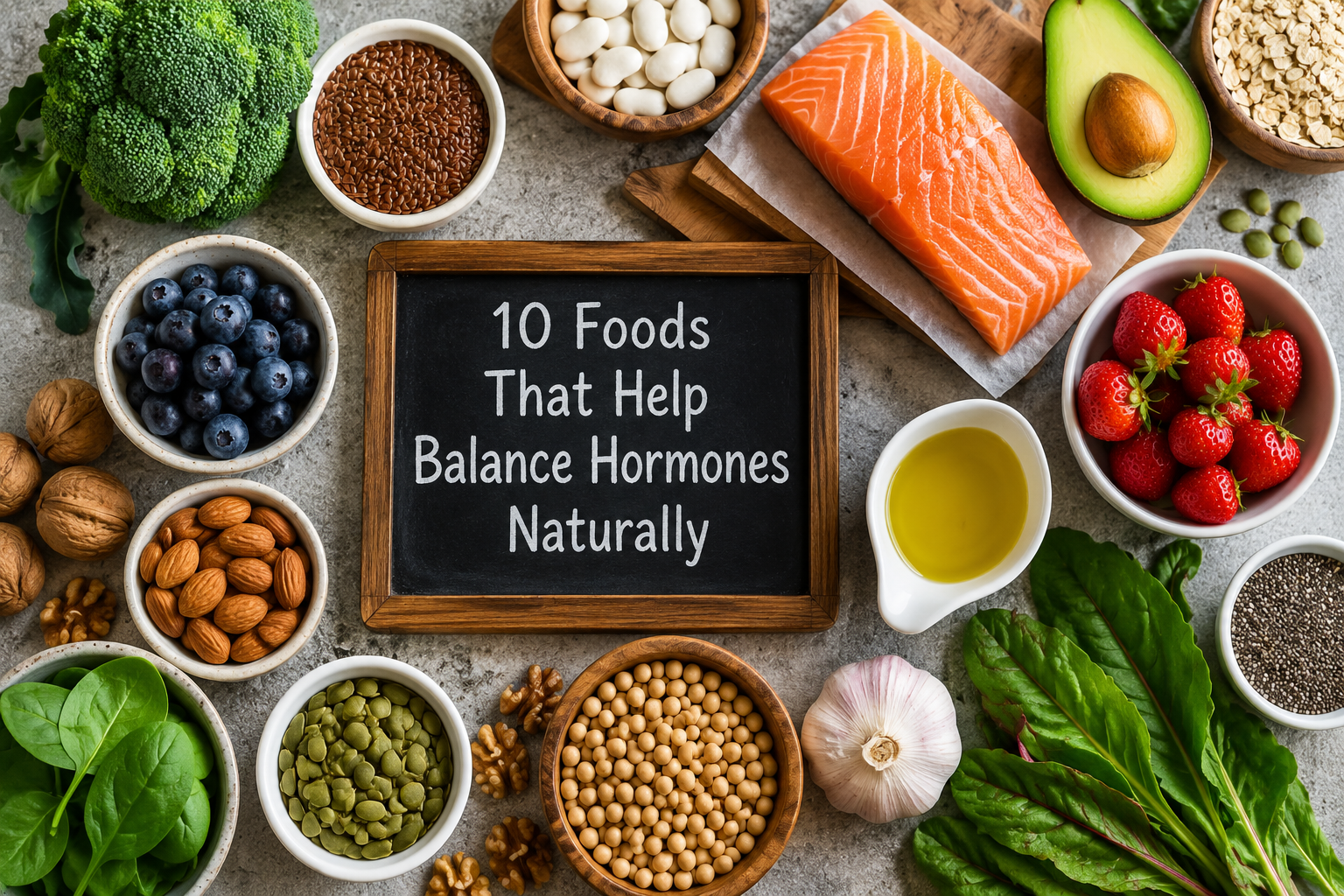
Broccoli, Brussels sprouts, kale, and cabbage excel at supporting a hormonal imbalance diet. These cruciferous vegetables are high in indole-3-carbinol (I3C), which the body digests into diindolylmethane (DIM). DIM helps the liver metabolise excess oestrogen into safe, useful metabolites rather than toxic versions that cause dominance.
For individuals dealing with conditions like polycystic ovary syndrome (PCOS) or severe premenstrual symptoms, integrating these vegetables into a daily routine is a cornerstone of balancing hormones through diet. Cruciferous greens’ high fiber content keeps the digestive tract moving, preventing gut resorption of expelled oestrogens. Lightly steaming or roasting these vegetables preserves their enzymatic activity, enhancing their benefits for the endocrine pathway.
Essential Fatty Acids from Wild-Caught Salmon
A hormone-balancing diet must include fatty fish, especially wild-caught salmon. Salmon is rich in omega-3 fatty acids, which are needed for hormone synthesis and cell communication. These healthy fats are revered for their potent anti-inflammatory capabilities, which reduce systemic inflammation that can disrupt insulin, cortisol, and leptin signalling.
Salmon’s high-quality protein and vitamin D enhance thyroid and insulin sensitivity. When insulin levels are stable, the body stores less belly fat and experiences fewer blood sugar crashes, and cortisol levels rise. An experienced dietitian for hormonal imbalance can help you select the best frequency of healthy fat intake to minimise insulin resistance and boost energy throughout the day.
Phytoestrogens and Fibre in Flaxseeds
Flaxseeds are tiny nutritional powerhouses that boost reproductive and metabolic health. Lignans, phytoestrogens that bind to oestrogen receptors, are abundant in them. Interestingly, lignans respond to hormonal imbalance by blocking the stronger, naturally occurring oestrogens and gently boosting low amounts.
Flaxseeds contain soluble and insoluble fibre, as well as phytoestrogens. Due to the digestive tract’s role in hormone regulation and elimination, this dual-action fibre profile helps maintain blood sugar levels and a healthy gut microbiota. A hormonal health nutritionist in Mumbai recommends adding ground flaxseeds to smoothies or porridge to regulate cyclical hormone changes naturally.
Metabolic Support from Creamy Avocados
Avocados are special in clinical dietetics because of their monounsaturated fatty acids and plant sterols. Avocados’ healthful fats help produce progesterone and oestrogen and maintain cell membrane integrity. This creamy fruit’s plant sterols help regulate cholesterol and balance adrenal function, preventing stress-induced cortisol overproduction.
Stabilising cortisol is crucial because persistent stress can promote “progesterone steal,” in which the body produces stress hormones at the expense of reproductive chemicals. Avocados supply the nutrient density needed for hormone synthesis. A top dietitian for hormonal imbalance in Mumbai can help you incorporate these nutrient-dense fats into a diet tailored to your metabolic rate.
Gut Health Transformation via Fermented Foods
Your gut microbiome is directly connected to your endocrine system via a special group of bacteria called the estrobolome. The estrobolome is a group of enzymes that metabolise and regulate oestrogen levels in the body. Fermented foods such as live yoghurt, kefir, sauerkraut, and kimchi are rich in beneficial bacteria that help strengthen the digestive system’s barrier function and balance the bacterial flora.
The oestrobolome can malfunction if the gut microbiome is disrupted, leading to either too much or too little active oestrogen in the blood. Eating foods that heal the gut helps you eliminate hormonal waste products efficiently, which lowers the likelihood of metabolic sluggishness. These complex internal relationships are a fundamental aspect of clinical dietetics and nutrition, focusing on healing the root cause rather than just treating symptoms.
Essential Micronutrients to Prioritise
Your diet should include a wide range of vitamins and minerals so your endocrine glands have the exact nutrients they need to produce and release chemical messengers. A lack of essential micronutrients may subtly slow metabolic processes, which, over time, may cause a systemic imbalance.
As you make your weekly meal plans, make sure you always have foods that contain these important nutrients:
- High-zinc foods, such as pumpkin seeds and legumes, are essential for healthy testosterone levels and progesterone production.
- Dark leafy greens and almonds are rich in magnesium, which helps calm the nervous system, reduce cortisol and alleviate menstrual cramps.
- Selenium- and iodine-rich foods such as Brazil nuts and seaweed, which directly support thyroid hormone production.
Adaptogenic Support from Vibrant Turmeric
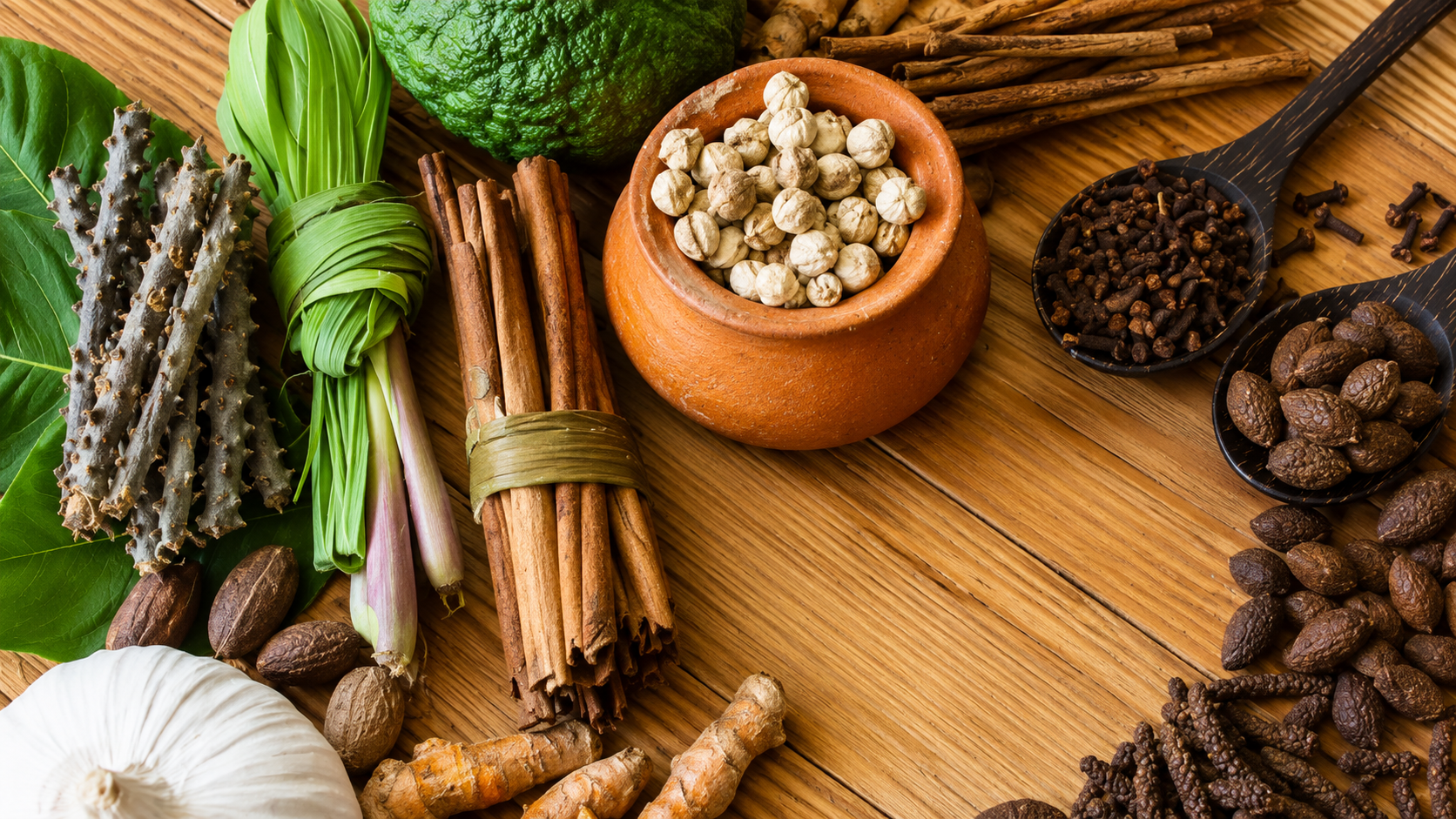
Turmeric is a sacred spice from the plant kingdom, especially for its active ingredient, curcumin. Curcumin is a strong anti-inflammatory and antioxidant that directly aids liver detoxification pathways. The liver is the main organ that breaks down and filters used hormones, and any sluggishness in the liver can lead to hormonal imbalances in the bloodstream.
Moreover, turmeric helps reduce pelvic inflammation and regulate irregular periods due to its vasodilatory properties. The hormone’s ability to mimic low oestrogen levels and its anti-inflammatory properties make it a great addition to any holistic health plan. Turmeric is best absorbed when added to warm almond milk with a pinch of black pepper, making for a soothing and hormone-boosting drink.
Fueling the Body with Whole Grains
White breads and sugary pastries are refined carbohydrates that cause a sudden rise in blood sugar, prompting the pancreas to release excess insulin. Repeated insulin spikes over the years can lead to insulin resistance, disrupting the ovary’s normal function and causing an overproduction of androgens. Complex whole grains like quinoa, brown rice, oats, and buckwheat are slow-release sources of energy.
Whole grains are packed with B vitamins, all of which are vital for energy production in cells, liver detoxification and the production of neurotransmitters that help maintain a healthy mood. Whole grains keep blood sugar levels steady, which helps prevent the dangerous, up-and-down hormonal roller coaster that leads to high sugar cravings, fatigue, and irritability. A specialised clinical dietitian for hormonal health can help you properly manage your carbohydrate intake to ensure your body is fueled appropriately without overloading your pancreatic pathways.
Maximising Nutritional Impact Safely
Adding these hormone-friendly foods is a great way to help your body function at its best, but it’s important to have a holistic lifestyle plan that supports your endocrine system. A single-ingredient diet is not a long-term solution unless the overall diet and lifestyle, including stress, are changed.
For your nutritional changes to lead to lasting vitality, try to do the following:
- Focus on whole, single-ingredient foods and significantly reduce your intake of synthetic additives, artificial sweeteners and highly processed vegetable oils.
- Avoid eating too quickly or too much, and avoid eating while stressed, to enhance nutrient absorption and digestion.
- Work with qualified experts who have the skills to use sophisticated diagnostic equipment to design a diet that meets your body’s biochemical needs.
Achieving Sustainable Endocrine Balance
Achieving a balanced endocrine system is an ongoing process that requires a commitment to making healthy, nutrient-rich food choices. When you eat these foods, you give your body the tools it needs to regulate itself naturally by consciously incorporating cruciferous vegetables, essential fatty acids, phytoestrogens, and fermented foods into your diet. By taking a comprehensive view of nutrition, you can break free from the cycle of frustrating symptoms and step towards a more vibrant, clear, and healthy life.
At The Diet Therapy, we know that wellness starts from within, and our highly trained staff will work with you to create a personalised plan based on your unique biochemistry, helping you live a vibrant, fully balanced life through the science of clinical nutrition.