There is a special joy in eating our favourite foods. But if your daily diet has too many spicy, oily and processed foods and very little fibre, your digestive system slowly starts to suffer. At first, you may only notice constipation and hard stools. But if you ignore this, you may start straining during bowel movements. This increases the risk of problems like piles, fistula and anal fissure. That is why it is very important to pay attention to a healthy diet and good bowel habits in time.
An anal fissure is a small tear or cut in the skin of the anus, either at the opening or just inside it. Though it is small, the pain it causes can be big. It can cause pain while passing stool, burning, discomfort and sometimes bleeding. In some cases, medical treatment may be needed. But making a few right changes in your daily diet can definitely help keep your stools soft and support the healing process. This is what Dt. Shweta Shah Panchal, who guides patients on diet at The Diet Therapy clinic, shares from her experience.
To manage an anal fissure, it is important to make the right food choices. A balanced anal fissure diet that includes enough fibre, fluids, fruits, vegetables, whole grains and other fibre-rich foods supports regular bowel movements and helps reduce constipation.
In this article, we will learn about the best diet for fissure, foods to eat and foods to avoid in fissure, high-fibre foods, the right fruits, and a simple fissure diet plan that you can easily include in your daily routine.
Foods to Eat for Fissure
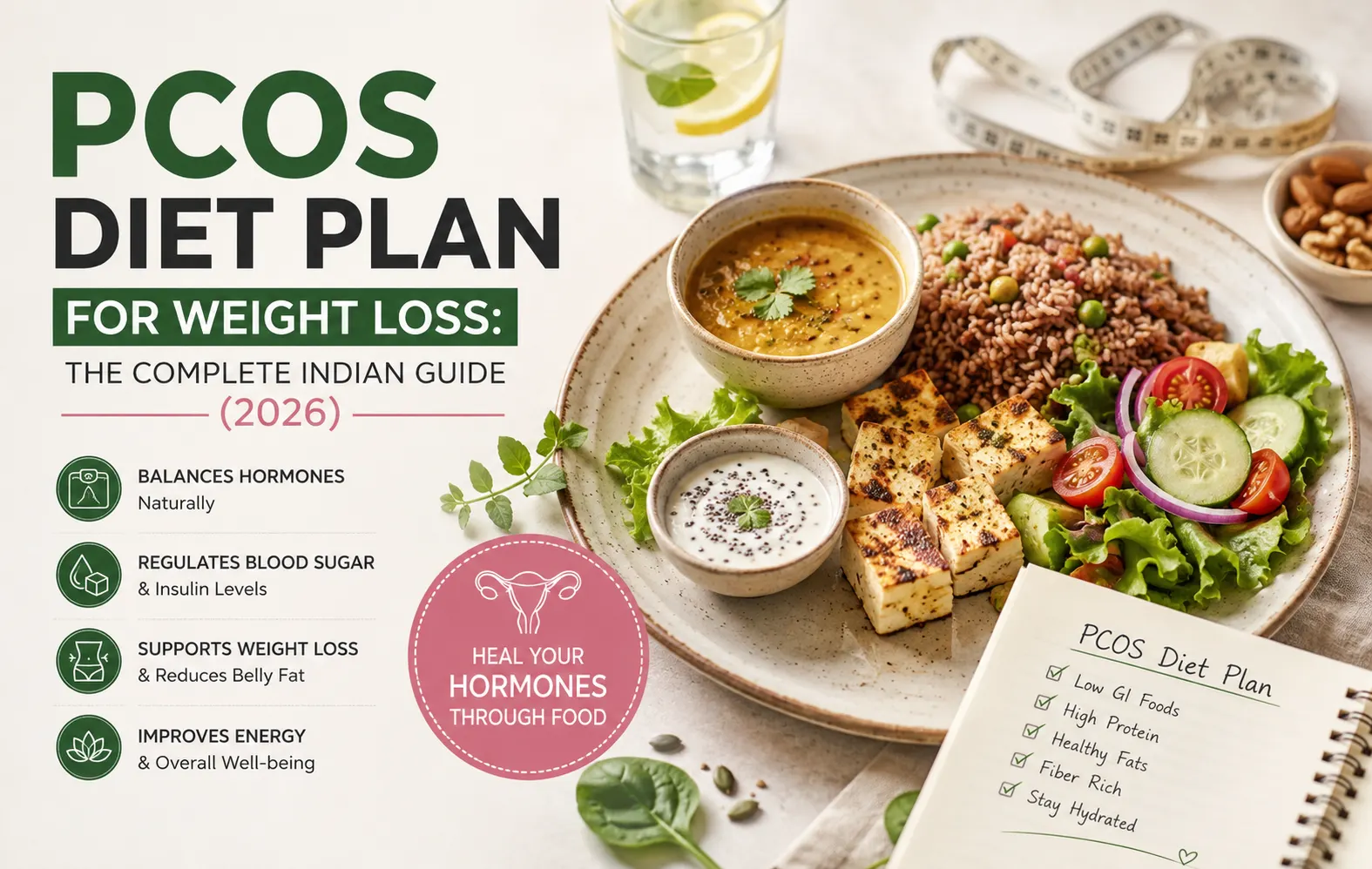
“What should I eat in a fissure?” is a question almost every patient asks. The answer is simple: home-cooked, light meals made with high fibre foods for fissure. Dt. Shweta Shah Panchal says you don’t need expensive or unusual foods for this. At The Diet Therapy, every patient is guided to use simple, everyday kitchen foods that are easy to find. They are also told in detail which food to eat and in what quantity, which helps reduce the discomfort of fissure.
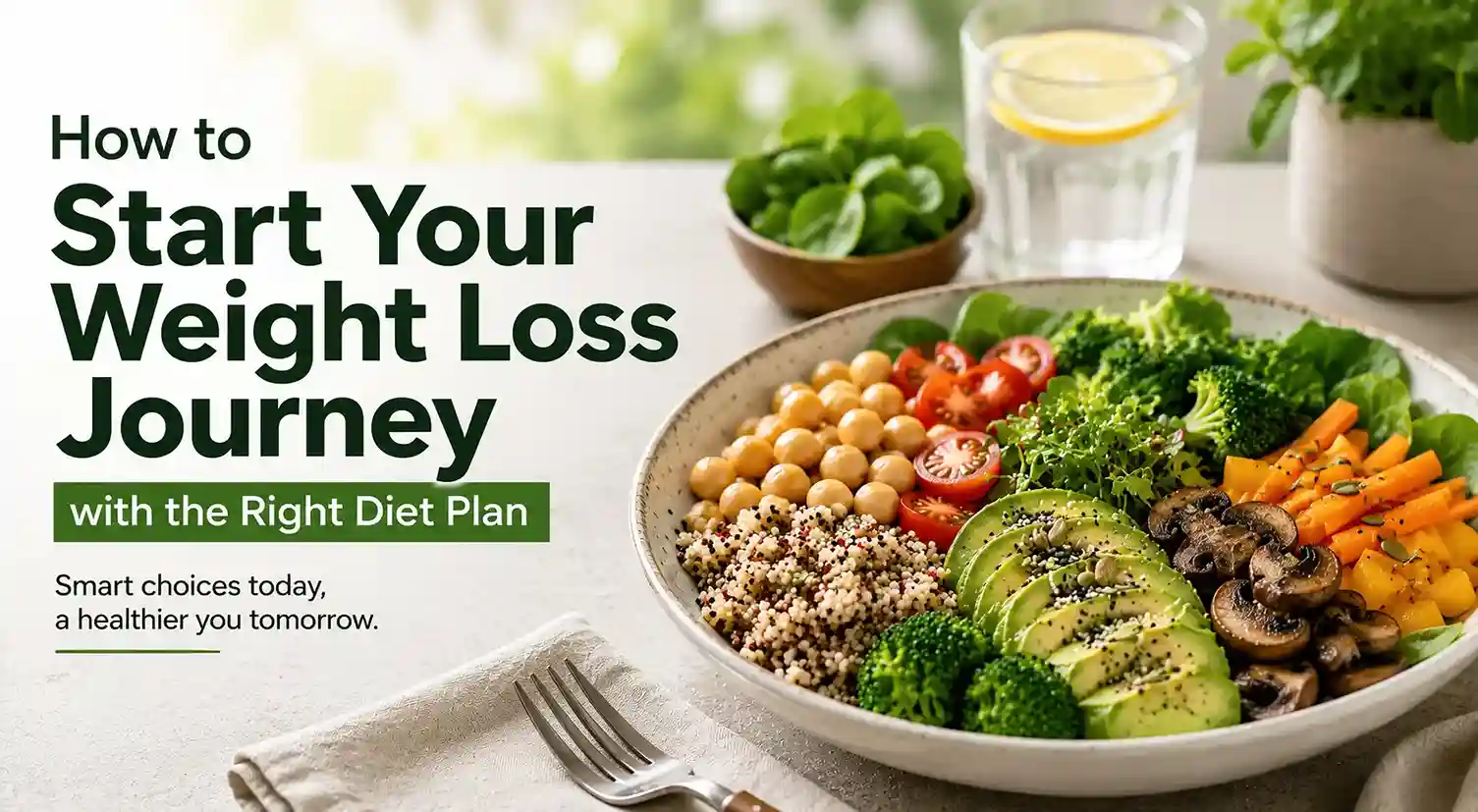
- Whole grains: Instead of maida and polished foods, choose whole wheat roti, daliya, oats, jowar, bajra, ragi and brown rice. They are rich in fibre and help keep bowel movements regular.
- Vegetables: Vegetables like bottle gourd (lauki), ridge gourd (turai), pumpkin, carrot, beetroot and spinach give you both fibre and water. When steamed, or cooked in little oil with mild spices, they stay light on the stomach and do not irritate the gut.
- Pulses and legumes: Moong dal, masoor dal, chickpeas and sprouts are fibre rich foods for fissure. However, if you are not used to them, they may feel heavy or cause gas. So start with small portions and increase slowly.
- Curd, buttermilk and healthy fats: Curd and buttermilk support gut health and help make stools soft. A teaspoon of ghee, soaked flaxseeds or soaked almonds are healthy fats that help stools pass easily.
Together, these foods make up the fissure healing foods, which create a good environment for the tear to heal.
Fruits to Eat in Fissure
Fruits play an important role in a fissure diet because they give you fibre and water together. Ripe papaya is gentle on digestion and can improve bowel movements when eaten regularly. Guava (with seeds), pear and apple (with skin) are good sources of fibre. Soaked figs, raisins and prunes help soften stools. A ripe banana is fine in moderation, and oranges and sweet lime are tolerated well by most people. Still, if a fruit causes you trouble, it may not suit you, so avoid it.
Importance of hydration in Fissure –
Fibre works properly only when you drink enough water along with it. If you increase fibre without enough water, constipation can get worse instead of better. This is why fluids are just as important in a fissure diet.
A liquid diet for fissure does not mean living only on liquids. It means taking enough fluids through the day. Plain water, coconut water, buttermilk, vegetable soups, dal water and lemon water are good options. Sipping water little by little through the day works better than drinking a lot at once. How much water is right for you depends on your age, weight and health condition, so your dietitian or doctor can guide you.
Foods to Avoid for Fissure
Just as important as eating the right foods is cutting down on foods that make stools hard or irritate the gut.
Very spicy foods, pickles and fried foods can increase burning during bowel movements. Maida-based foods like bread, pizza, noodles, biscuits and bakery items are very low in fibre, which raises the chance of constipation. Processed and junk foods like chips, instant foods and packaged snacks put stress on the digestive system. Heavy non-veg and red meat take longer to digest and have no fibre, so it is better to keep them to a minimum.
Too much tea, coffee, cold drinks and alcohol can dehydrate the body and make stools dry. So it is wise to limit them in a fissure diet.
Helpful Habits for Healing (Do’s)
Daily habits are just as important as diet. Drink enough water and increase the fibre in your meals slowly. Walking for at least 30 minutes a day helps keep bowel movements regular. Eating at fixed times helps your gut build a routine. If your doctor advises it, take a warm sitz bath, as it relaxes the muscles and eases pain.
Mistakes to Avoid (Don’ts)
Never hold back the urge to pass stool, as it makes stools harder. Do not strain, and do not sit on the toilet for too long. Do not suddenly start a lot of fibre, as it can cause gas and bloating. Do not take laxatives or stool softeners on your own; take them only on your doctor’s advice. And do not blindly follow any diet chart you find on the internet.
When Should You See a Doctor?
Diet helps a lot, but it is not a replacement for medical treatment. Please consult a doctor if pain or bleeding lasts more than two to three weeks, if bleeding is heavy, if you have fever or swelling, or if the fissure keeps coming back. A proper diagnosis also helps rule out other conditions like piles or fistula, because their symptoms can look similar in the beginning. If a fissure is ignored, it can become chronic. And if constipation and straining continue, problems like piles (hemorrhoids) can also begin.
Conclusion –
An anal fissure can be painful, but the right food choices can ease the discomfort and support healing. A fissure diet built on high-fibre foods like whole grains, vegetables, pulses and the right fruits, along with plenty of water and fluids, keeps stools soft and prevents constipation. Cutting down on spicy, fried, maida-based and processed foods also helps reduce burning and irritation.
Daily habits matter just as much. Walk regularly, eat at fixed times, never hold back the urge to pass stool, and avoid straining. Increase fibre slowly instead of all at once, and don’t take laxatives without your doctor advice.
Every persons body is different, so the best diet plan for fissure is one that suits your age, health condition and digestion. If pain or bleeding lasts more than two to three weeks, or the fissure keeps coming back, please consult a doctor without delay.
For a personalized fissure diet plan, visit The Diet Therapy by Dt. Shweta Shah Panchal clinic. OR WhatsApp – +91 8291656540 With the right guidance and a few small changes in your daily diet, you can find relief and help prevent fissure from returning.
Disclaimer :
This blog is for general information only and does not replace medical advice. Please consult your doctor for diagnosis and treatment.